


Blog - Exploring the Cardboard Recycling Process
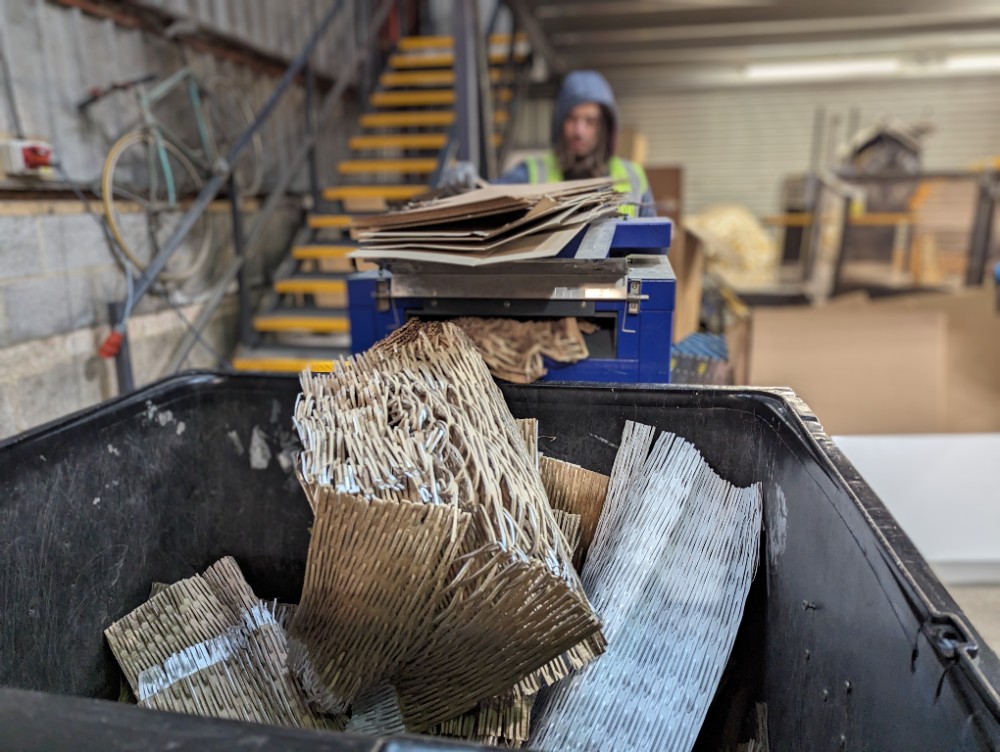
In the digital marketplace, cardboard boxes are a vital part of product delivery, bridging the gap between virtual stores and physical customers. But what happens to these boxes after they've served their purpose?
Understanding the cardboard recycling process is important for responsible business practices, but it's also a smart business decision that can boost your brand image, reduce costs and contribute to a more sustainable future. For eCommerce businesses, embracing cardboard recycling is both good for the planet and essential for long-term success in an increasingly environmentally-conscious market.
This guide will take you through how cardboard is recycled, why it should be recycled and where your business fits into the process.
In the UK, most households and businesses have dedicated recycling bins for cardboard and paper. Once collected, the cardboard is transported to recycling facilities where it's sorted. These facilities are usually part of paper mills.
Advanced sorting systems use a combination of manual labour and technology, including optical sensors and air jets, to separate cardboard from other materials and remove any contaminants like plastic tape or metal staples. All that should be left is corrugated cardboard and paperboard (the thinner cardboard cereal boxes are made from). These materials are then also separated.
Cardboard-coated or waxed items undergo a separate, specialised recycling process.
2. Shredding and Pulping
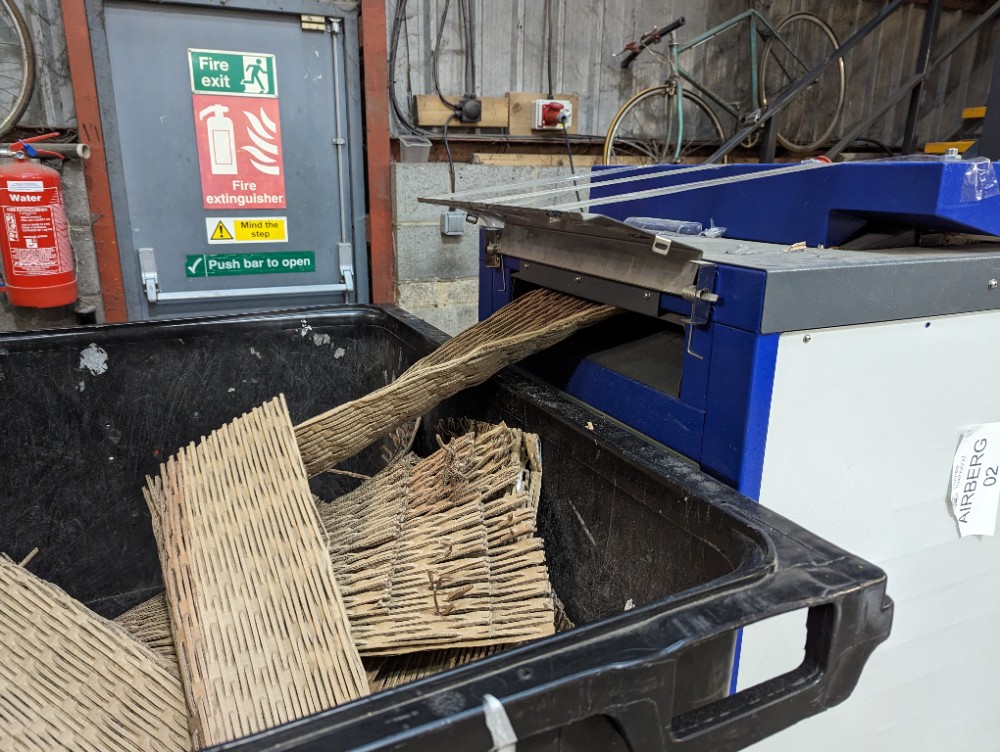
Once sorted, the cardboard is shredded, before being mixed with water and chemicals in a large container called a pulper. This machine acts like a giant blender, breaking down the cardboard into a substance called pulp. The pulping process typically takes 10 to 20 minutes, effectively separating the fibres in the cardboard.
The resulting pulp then goes through a series of screens to remove any remaining contaminants. These could include bits of plastic, glue, or other materials that weren't caught in the initial sorting process. The pulp is also cleaned using a variety of methods, including centrifugal cleaning and flotation, to ensure a high-quality end product.
At this time, the pulp can be stored for use at a later date. However, this may require the use of extra water before the pulp is made into paper.
4. New Paper Production
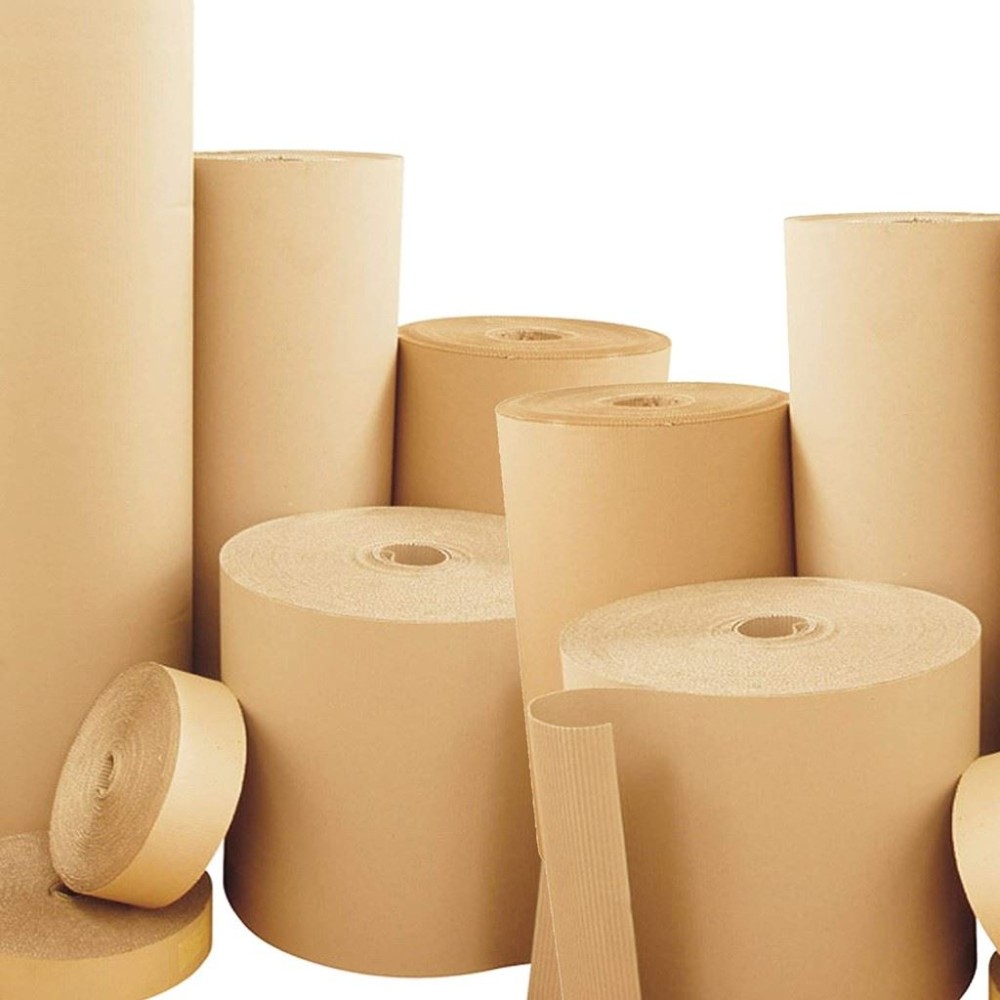
The cleaned pulp is mixed with varying amounts of virgin wood fibres (made from wood chips), depending on the desired strength and quality of the end product. This mixture is spread onto a flat screen and passed through heated rollers. Doing so removes excess water and bonds the fibres together, and the resulting paper is then wound onto large rolls.
5. Final Processing
Depending on its intended use, the recycled paper might undergo further processing. It could be cut into sheets, corrugated for new cardboard boxes, or treated for specific applications.
Environmentally, recycling cardboard significantly reduces the demand for virgin wood pulp, helping to preserve forests across the world. According to experts, for every tonne of cardboard recycled, we save 17 trees and 7,000 gallons of water. It also cuts down on landfill waste, where cardboard can take months to decompose, releasing methane in the process. Moreover, producing recycled cardboard uses 75% less energy than creating new cardboard, substantially lowering carbon emissions.
Economically, cardboard recycling creates a valuable resource stream. It reduces waste management costs for businesses and municipalities alike. For eCommerce companies, using recycled cardboard can lead to cost savings in packaging materials. Additionally, as consumers become increasingly eco-conscious, demonstrating a commitment to recycling can enhance brand image and customer loyalty. This could potentially drive sales and foster long-term business growth.
How Many Times Can Cardboard Get Recycled?
On average, it's considered that a single cardboard box can be recycled about 7 times before the fibres become too short and weak for further use. However, some research suggests that this number might be even higher - one 2022 study indicated it could even potentially be up to 25 times.
This impressive recyclability is due to cardboard's robust cellulose fibres, which can withstand multiple processing cycles. However, each recycling round slightly degrades the fibres, eventually necessitating the introduction of new fibres to maintain quality.
Wherever possible, your company should aim to:
- Choose recyclable cardboard packaging for shipping products
- Educate customers on proper recycling practices through package labelling or insert cards
- Implement efficient packaging practices, such as right-sizing boxes to reduce waste
- Optimise packaging designs to minimise material use while maintaining product protection
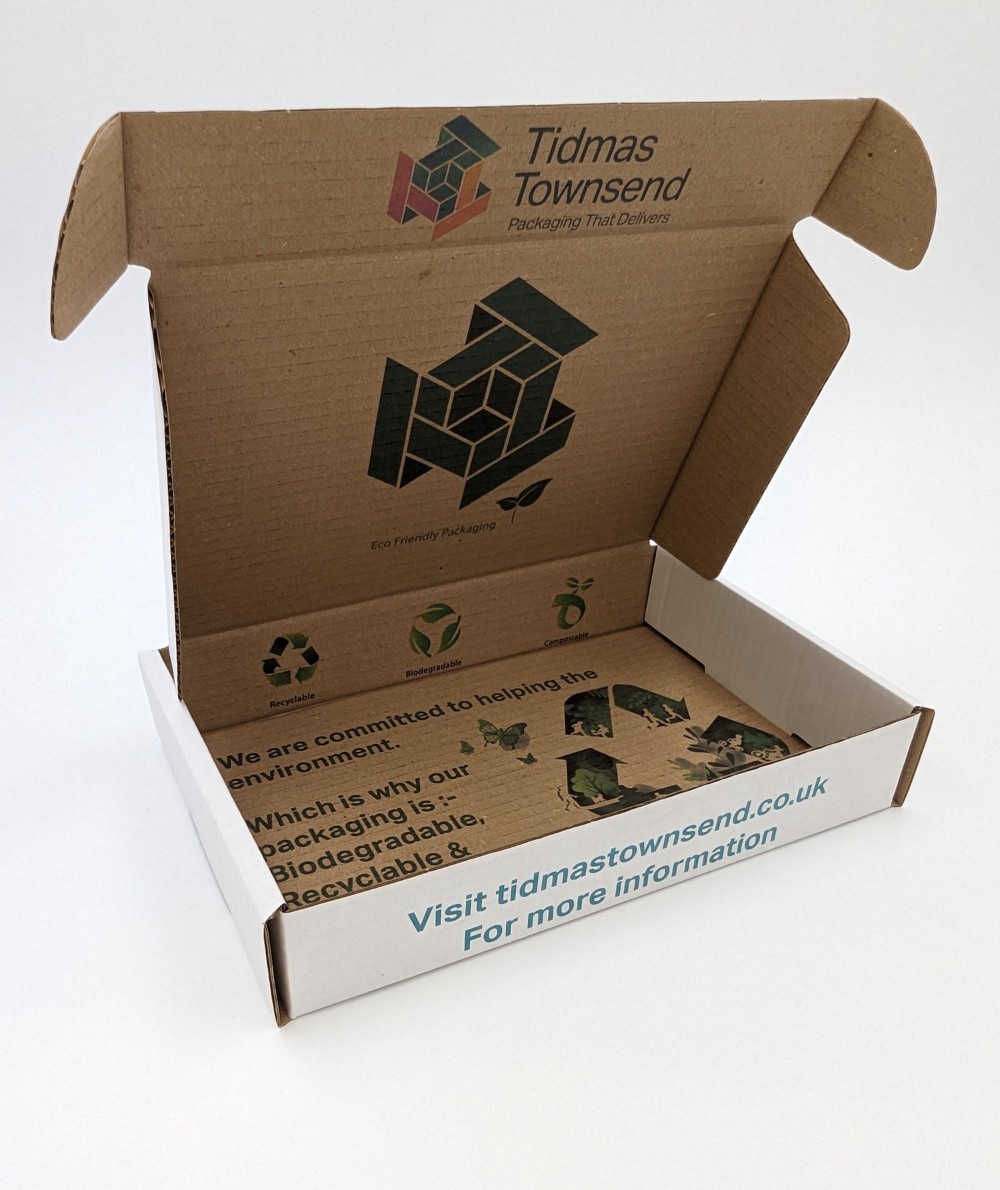
Our eco-friendly cardboard box range includes:
- Single and Double Wall Boxes: Made from recyclable corrugated cardboard, these boxes offer robust protection while being fully recyclable.
- White and Brown Postal Boxes: These versatile options provide a professional look without compromising on sustainability.
- Custom-Made Boxes: Our "Build My Box" service allows for tailor-made solutions that minimise waste and maximise efficiency.
Contact us to start discussing your need for eco-friendly products made from recycled, recyclable materials. We’ll be glad to help, answer any questions you may have, and provide you with a quote that suits your needs.