


Blog - Storytelling for Your Retail Brand With Custom Packaging
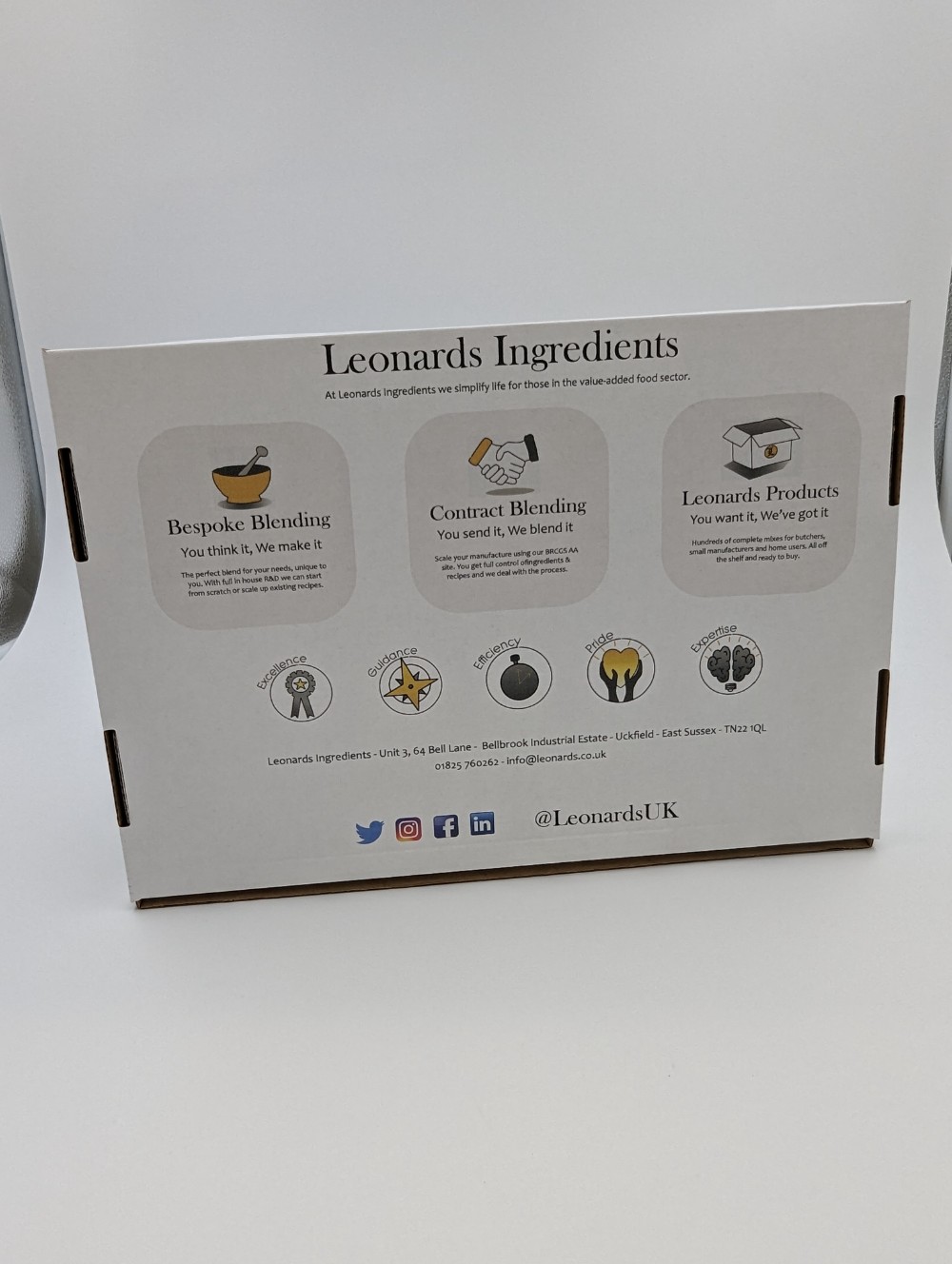
Product packaging is a huge part of your customer’s journey to purchase.
While the retail industry moves quickly to adapt to new consumer behaviours and technological advancements, one fact has remained consistent for centuries: storytelling helps humans to connect. Over time, it’s become a crucial tool for businesses looking to convert buyers into loyal customers and can take your packaging from product protection to a reason to purchase.
Here, we explore how retailers can harness the power of packaging to tell their brand's story, create memorable customer experiences and stand out in a competitive marketplace.
More often than not, your product packaging is the first interaction a customer has with your brand, whether that’s on the shelf or at home when delivered. Just like making a good first impression in a job interview, your product packaging plays a critical role in setting expectations and building brand identity. The message you deliver can vary depending on your brand, which we’ll cover in more detail later.
These studies show that product packaging is essentially your business’ silent yet persuasive storyteller and salesperson, communicating your brand message in many ways. Whether it’s through the choice of materials, the design aesthetics or the functionality, every aspect of packaging contributes to the narrative your brand wants to put out into the world.
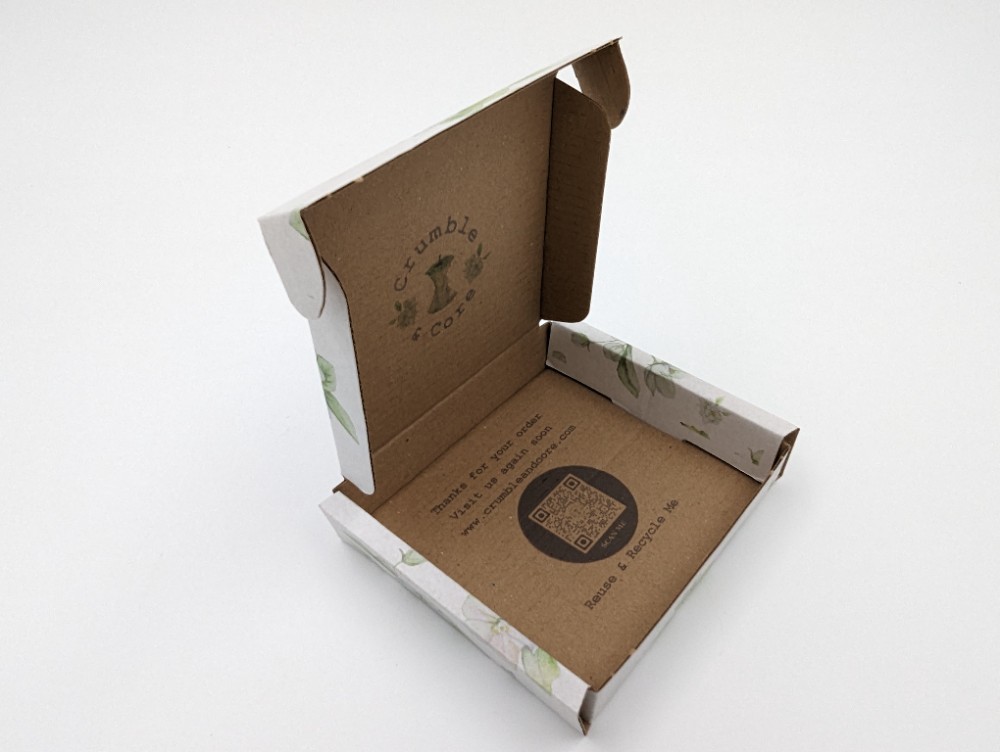
This approach can integrate elements such as colour schemes, imagery, typography and material choices to create a cohesive and engaging story. At its core, storytelling through packaging aims to create an emotional and psychological connection with the consumer, leading them to choose your product over tens or hundreds of other options.
It’s about more than simply presenting a product, aiming to evoke feelings, communicate values and share the journey behind the brand. This could involve highlighting a brand’s heritage, such as Cadbury, showcasing its commitment to sustainability, such as Lush, or illustrating its innovation journey, such as Apple.
Memory Retention
Memory retention plays a crucial role in how consumers relate to brands. Research from Stanford University reveals that stories are up to 22 times more memorable than facts alone. When packaging tells a story, it can embed the brand deeper into the consumer’s memory, enhancing recall and fostering brand loyalty.
This storytelling approach in packaging turns a simple product into a memorable experience, encouraging repeat purchases and word-of-mouth promotion. When data and stories are combined, the results can be even more impactful.
Emotional Connections
The emotional connection fostered through storytelling is another key factor. Decisions about what we purchase can be just as much about an emotional need as they are about a functional need. When we’re told a story, chemicals like cortisol, dopamine and oxytocin are released into the brain, enhancing retention and emotional connection.
This emotional engagement is crucial in a retail landscape where consumers are inundated with choices. Packaging that tells a story resonates on a deeper emotional level, making the brand more relatable and trustworthy in the eyes of consumers. Storytelling can be so powerful that a study found it could boost conversion rates by 30%, making brands more personable and easier to connect with.
Influencing Consumer Behaviour
The power of storytelling in packaging to sway purchasing decisions is clear in various studies and market observations. Humanising your brand through storytelling - whether that’s through a compelling message, responsible packaging materials or other ways - can show potential customers the values behind your brand.
This can be hugely impactful. Research shows that around 71% of customers purchase more frequently from businesses that align with their values - and this increases to 83% amongst millennials. What’s more, with 86% of consumers agreeing that transparency is a deciding factor when making a purchase, storytelling can help open your brand up to the public.
Understand Your Brand’s Narrative
Begin by identifying the core elements of your brand's story. What is the mission behind your brand? What are its core values? These elements could range from a commitment to sustainability or the local community to a strong, traditional heritage.
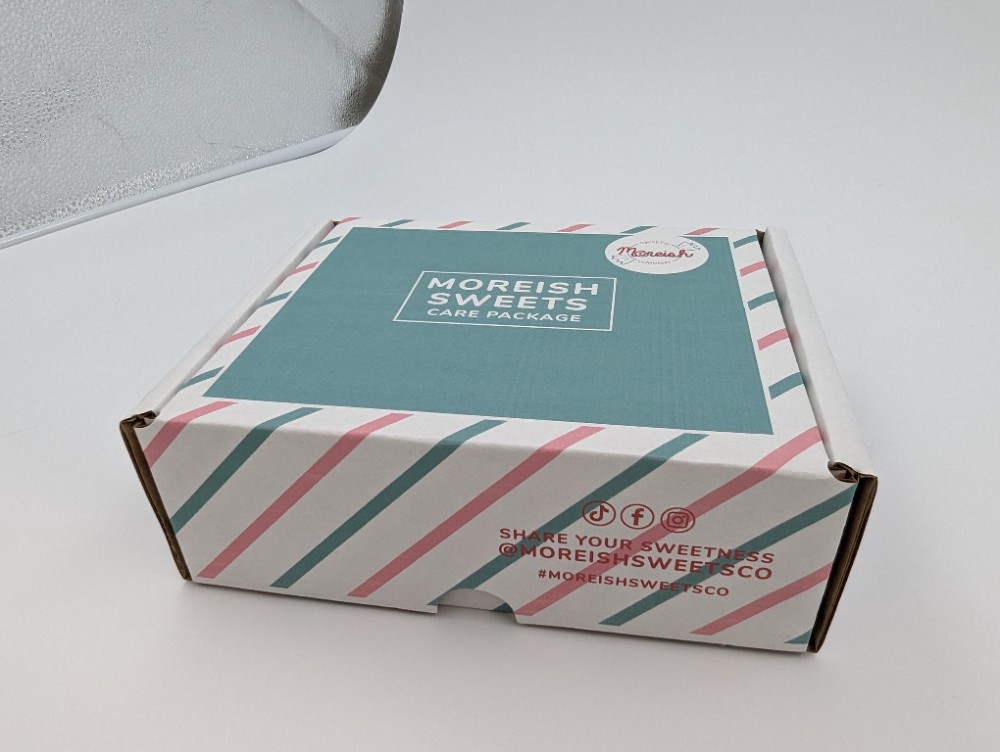
Once the core elements are identified, the next step is to translate them into visual storytelling. This could involve colour schemes that reflect your brand’s ethos, typography that resonates with your brand’s personality or imagery that tells your brand’s journey.
Brand Values and Material Choices
If sustainability is a key part of your brand story, choose materials that reflect this commitment. This could mean using recycled materials, biodegradable packaging, or innovating with plant-based packaging solutions. With 81% of UK customers preferring eco-friendly packaging, this can be a really impactful way to unlock your consumers’ values.
For luxury or premium brands, the quality of materials used in packaging can be a direct reflection of the product’s value. High-quality materials not only protect the product but also uplift the brand's perception, weaving into your brand’s storytelling.
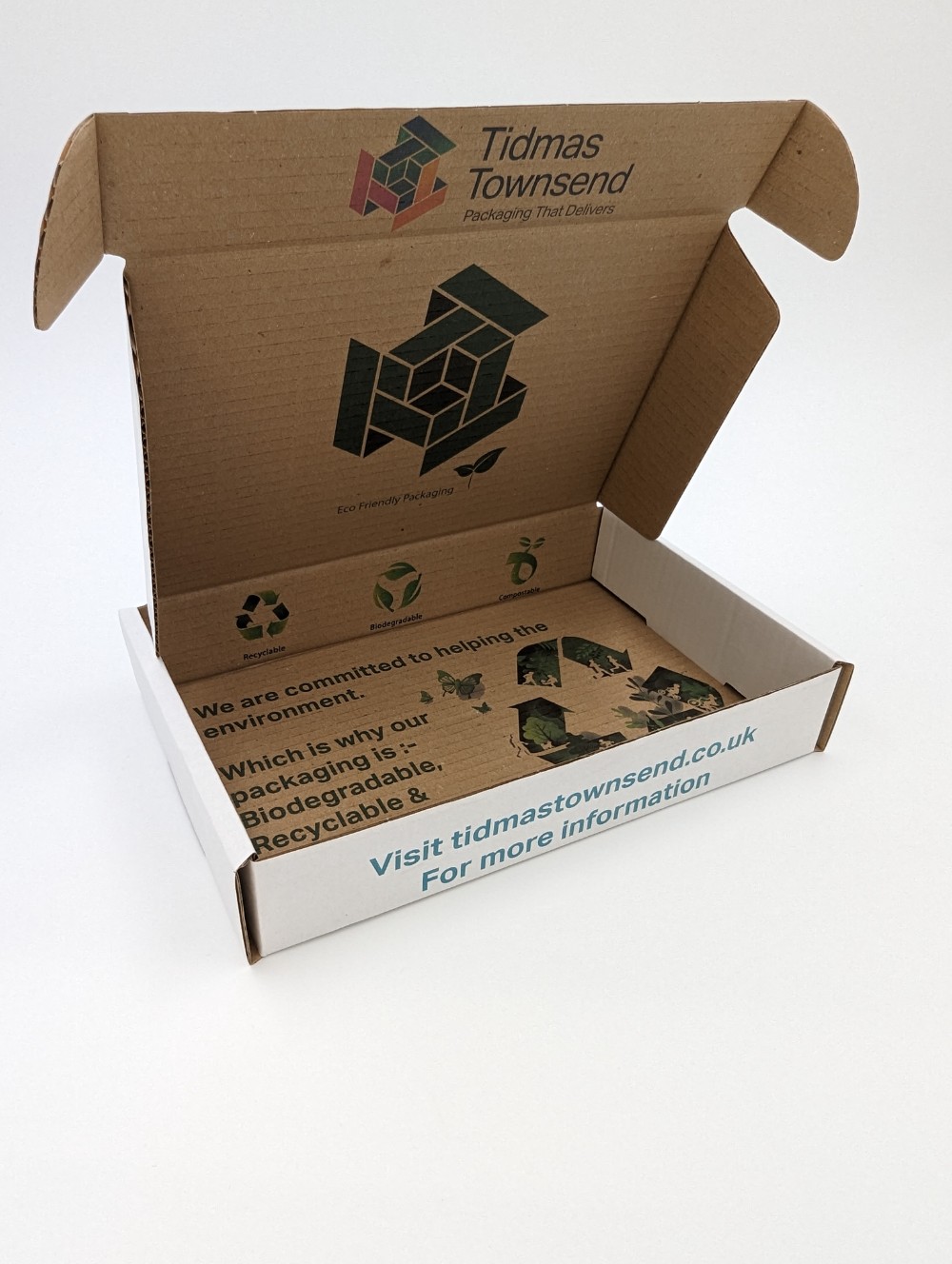
The unboxing experience is a critical touchpoint in the customer’s journey. It’s an opportunity to evoke emotion in your customers, from surprise to delight. Elements like custom inserts, personalised thank-you notes or creative packaging layouts can transform the unboxing experience into a memorable event.
The trick is to ensure that storytelling is consistent across all of these packaging touchpoints. This consistency helps reinforce your brand’s message and enhances brand recall, whether that’s a story about how your product got to your customer or information about how you can use a portion of their money to contribute to charity.
The Storytelling Potential of Technology
Advances in technology allow for the inclusion of interactive elements in packaging. QR codes, for instance, can link to a video that tells your brand’s story or to a page detailing your journey, allowing your brand message to reach further than the limited space on a packet or container.
Balancing Budget and Quality
In the pursuit of high-quality packaging, retailers often face budget constraints. The solution lies in exploring various material options and negotiating with suppliers, like the team at Tidmas Townsend, for the best prices. By leveraging economies of scale and establishing long-term supplier relationships, retailers can reduce costs without compromising the packaging’s appeal and quality. This approach ensures that the packaging reflects the brand’s standards while staying within budgetary limits.
Adapting to Consumer Preferences
Ever-evolving consumer preferences, particularly regarding sustainability, pose a significant challenge. To adapt, regular market research and customer feedback are essential. Offering eco-friendly and innovative packaging, such as biodegradable or recycled materials, caters to environmental consciousness and keeps your brand relevant and appealing to modern consumers.
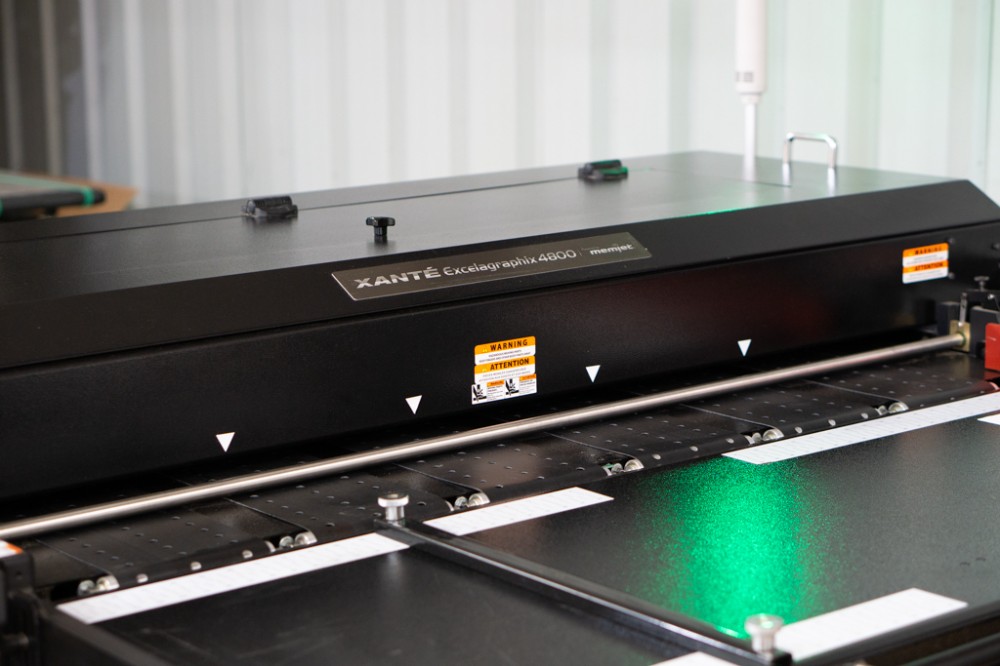
The perception that sustainable packaging is more expensive can deter retailers. However, as indicated by McKinsey, engaging further upstream in the value chain can reduce plastic packaging costs by an average of 15%.
Collaborating with packaging experts who specialise in sustainable materials can provide tailored, cost-effective solutions. Such partnerships ensure that the chosen solutions not only align with environmental goals but also meet industry-specific requirements, ultimately contributing to the brand's success.
Ensuring Brand Consistency
Maintaining brand consistency in custom packaging while managing costs is a delicate balance. Creating a cohesive brand strategy that encompasses all aspects of packaging is vital. This strategy should include consistent use of logos, colours and messaging. A unified approach to your packaging’s storytelling not only reinforces the brand identity but can also result in cost savings due to more efficient and streamlined marketing efforts.
“Our customers tend to make changes to the branding after having an initial run of printed boxes. This can often be because there were elements they didn’t know they needed, like a message for the courier or an unboxing message for the customer. This is one of the main benefits of digital print over traditional flexographic printing - designs can be changed quickly and easily.” Scott Newman, Sales Direct
With digital printing technology, we can help you to develop high-quality, bespoke packaging that mirrors your brand’s ethos, values and personality. From toptwist bags to custom-printed Trojan boxes, we can help your brand to tell its compelling story with every product.
From balancing budget and quality to adapting to evolving consumer preferences, especially in sustainability, retailers face various challenges. Through strategic approaches and innovative solutions, these challenges can be transformed into opportunities for brand growth and customer loyalty.
Tidmas Townsend can be your partner on this journey. Contact us today, browse custom-made boxes and printed packaging, and subscribe to our newsletter for all the latest available offers and promotions.